
EPA hazardous waste rules
Subtitle C of the Resource Conservation and Recovery Act sets requirements for hazardous waste generators, transporters, treatment facilities, storage facilities and disposal facilities.
A practical guide to spent car battery storage regulations and spent lead acid battery transport regulations, including EPA recycling provisions, DOT hazmat rules and OSHA workplace duties.
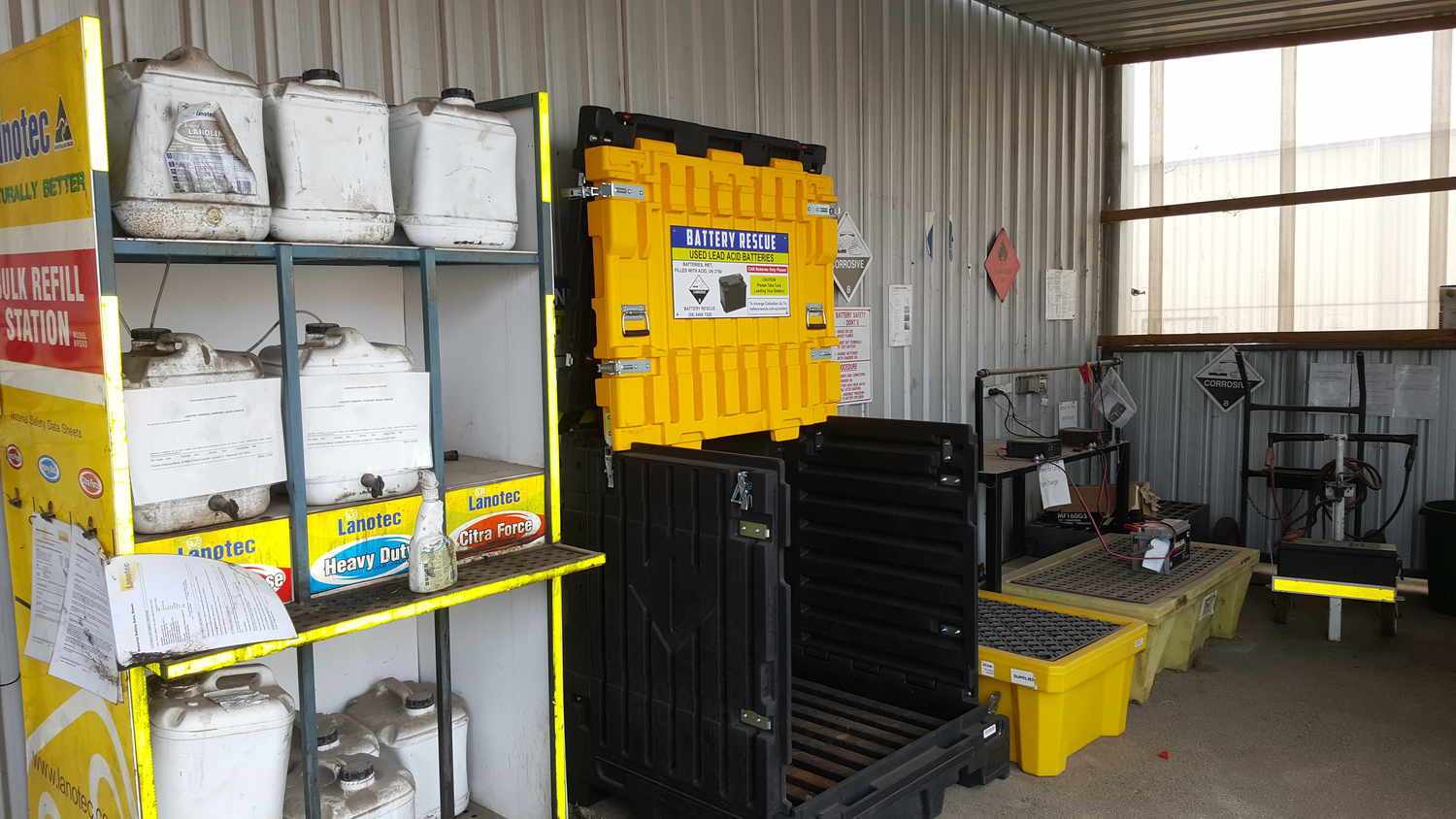
Spent lead acid battery regulations depend on how batteries are managed and whether they are destined for reclamation. EPA provisions for spent lead-acid batteries being reclaimed can differ from the full hazardous waste requirements; they should not be read as a blanket exemption from all obligations. State rules may also differ.
Spent car battery storage regulations and workplace duties need to be considered alongside spent lead acid battery transport regulations. DOT hazardous materials requirements govern transport, including applicable packaging, short-circuit prevention, marking and shipping documentation provisions.
Used or spent lead acid batteries are hazardous because they contain sulfuric acid with entrained lead and other toxic heavy metals. Most car and automobile batteries are lead acid batteries, but the chemistry is also used in industrial applications including UPS backup and solar energy storage systems.
Regulations govern their storage, handling, transportation and recycling. This guide summarises the requirements that commonly apply to hazardous waste generators, including automobile dealerships, auto parts stores, service stations, scrap dealers, salvage yards and waste facilities.
EPA, DOT and OSHA requirements address different parts of used lead acid battery management.
Subtitle C of the Resource Conservation and Recovery Act sets requirements for hazardous waste generators, transporters, treatment facilities, storage facilities and disposal facilities.
The Department of Transportation and Pipeline and Hazardous Materials Safety Administration establish requirements for transporting hazardous materials by highway and rail.
The Occupational Safety and Health Administration establishes requirements for safe and healthy working conditions, including safe practices for handling hazardous materials.
Spent lead acid batteries being reclaimed are subject to a specific federal framework under the Resource Conservation and Recovery Act.
EPA universal waste regulations streamline management standards for several categories of hazardous waste, including batteries. However, spent lead acid batteries managed under 40 CFR Part 266, Subpart G for reclamation are not classified as universal waste under that pathway.
The table in 40 CFR §266.80 outlines requirements for generators that generate, collect, transport or store spent lead acid batteries before reclamation.
Spent lead acid batteries destined for reclamation are exempt from many hazardous waste provisions, but applicable requirements still include hazardous waste identification, generator determinations and land-disposal restrictions.
Specific requirements vary by state, but the same general storage principles commonly apply.
Store batteries upright in an acid-resistant curbed area, pan, tub, bin or container capable of containing leaks. Remove spilled acid before containment can overflow.
Batteries may be stacked, but the source guidance recommends no more than four layers so stacks remain stable. Prevent terminals from short-circuiting.
Cracked or broken batteries should be placed in closed, acid-resistant containers such as polyethylene buckets or drums.
The source guide states that generators may store one ton or less for up to 12 months; quantities over one ton may be stored for up to 180 days before shipment to a recycler.
Outdoor storage may require covering and diking to prevent stormwater contamination. Containers should have lids to prevent rainwater mixing with acid.
Label the area “Used Lead Acid Batteries” and display a Corrosive Class 8 diamond where required by the applicable rules.
Highway and rail shipments of wet electric storage batteries are addressed by 49 CFR §173.159.
Under 49 CFR §173.159(e), batteries transported by highway or rail are not subject to the other requirements of that subchapter when all specified conditions are met:
The source guide notes that the highway and rail provisions in §173.159(e) apply to both classifications. Air transport follows additional requirements.
Wood pallets are widely used, but acid-resistant plastic bins and containers can capture electrolyte leaks, simplify packaging of mixed battery sizes and enable automatic unloading at the recycler.
Employers must comply with applicable OSHA standards and the General Duty Clause by keeping workplaces free from recognised serious hazards.
OSHA’s jurisdiction may depend on whether another federal agency, such as DOT, exercises statutory authority over the specific hazard. Review OSHA hazardous-waste standards and requirements applicable to your workplace.
Lead acid batteries are one of the most successfully recycled consumer products in the United States.
The source guide reports that approximately 99% of spent lead acid batteries are recycled in the US, with nearly 97% of battery components—including lead, sulfuric acid and polypropylene casing—recovered.
In most states, lead acid batteries cannot be disposed of in municipal solid-waste landfills. They must be recycled or managed as hazardous waste. Retailer core-charge programs also support high return and recycling rates.
Review state lead battery recycling lawsNo. Batteries destined for reclamation remain hazardous waste, although they may qualify for exemptions from many—rather than all—hazardous waste requirements under the applicable EPA and DOT provisions.
The source guide identifies non-spillable lead acid batteries as hazardous waste under EPA, DOT and OSHA requirements. Their DOT highway and rail treatment is generally the same as wet batteries, while air transport requirements differ.
Yes. Cracked or broken batteries should be isolated promptly in a closed, acid-resistant tub, bucket, drum or other suitable container to prevent electrolyte from reaching people, property or the environment.
The BTS Container supports acid containment, secure loading and efficient closed-loop battery collection.